A safety service is worth nothing until a woman believes it will answer.
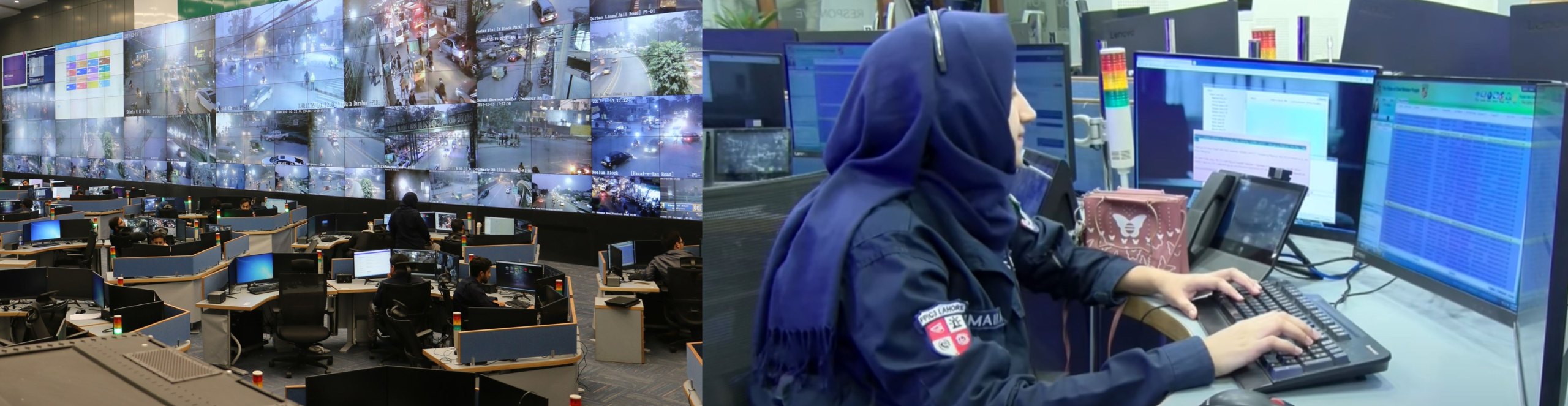
Not a broken app. A service women could neither see nor trust.
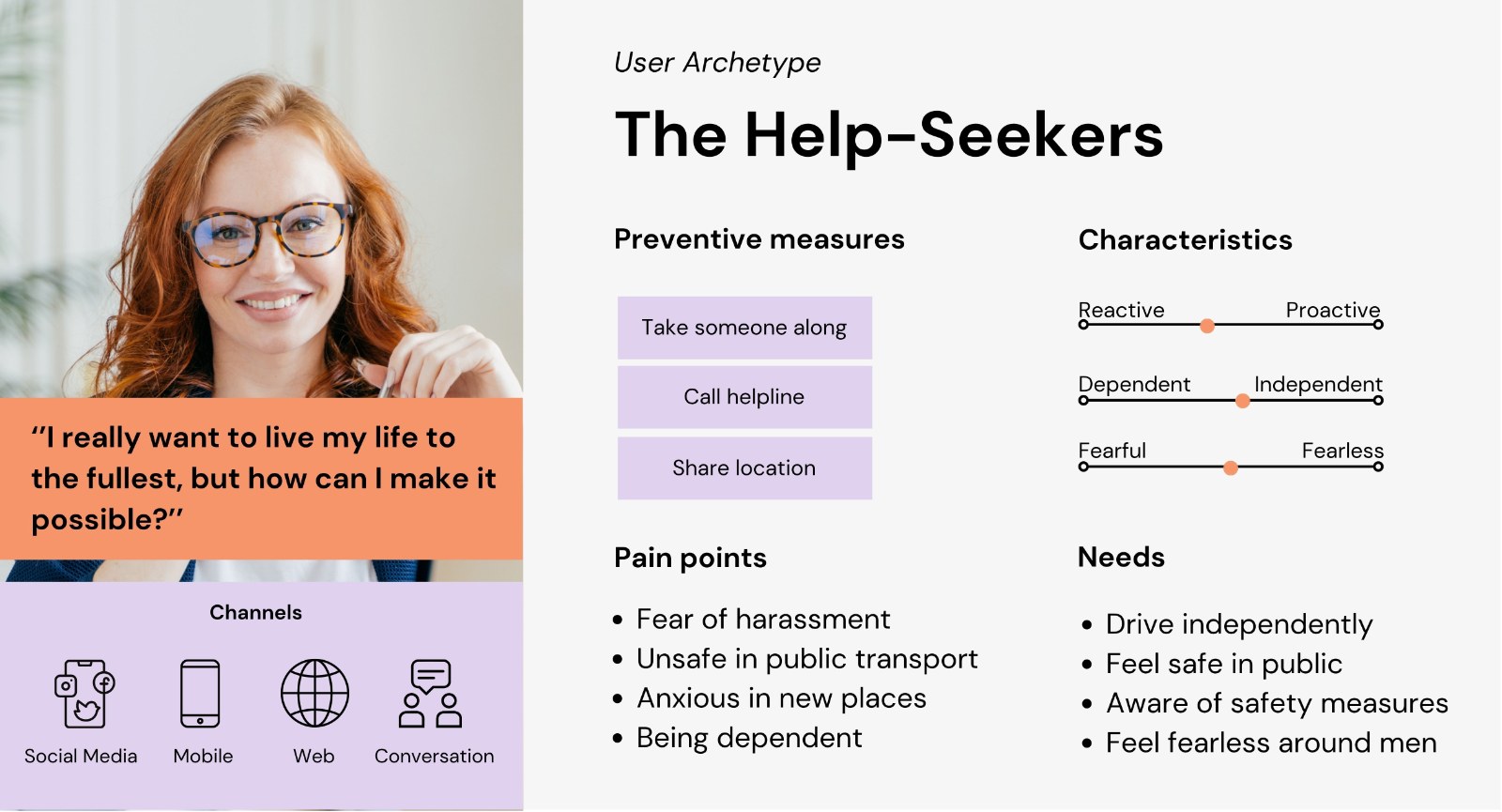
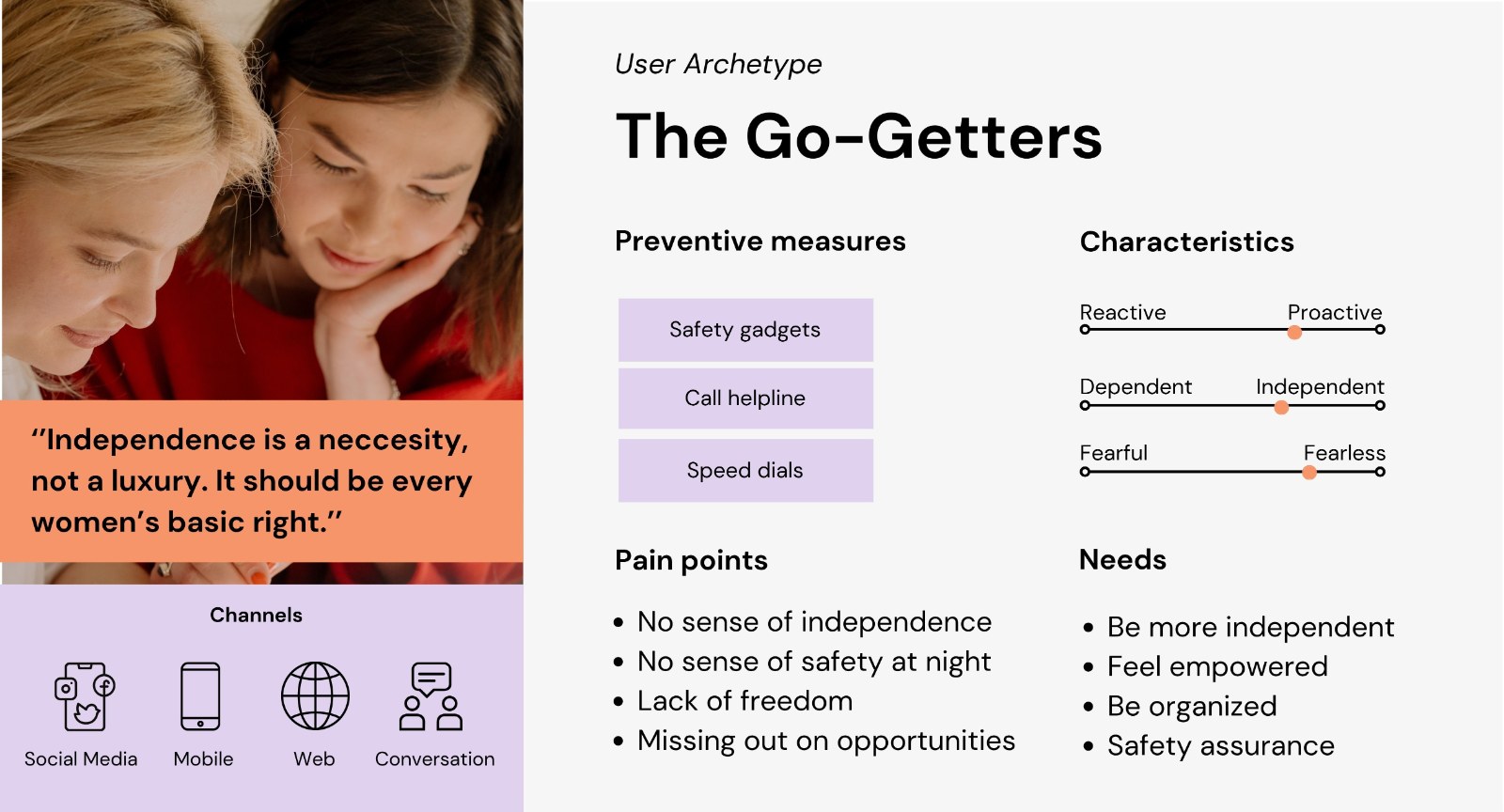
Half the women wanted to act but did not know how. The rest already carried gadgets and speed dials. The service had to hold both.
Three rules carried every decision that followed.
The research pointed at trust and visibility rather than features, so the principles had to hold across the app, the street and the organisation, not only the interface.
Four pillars, shifting from reactive response to prevention.
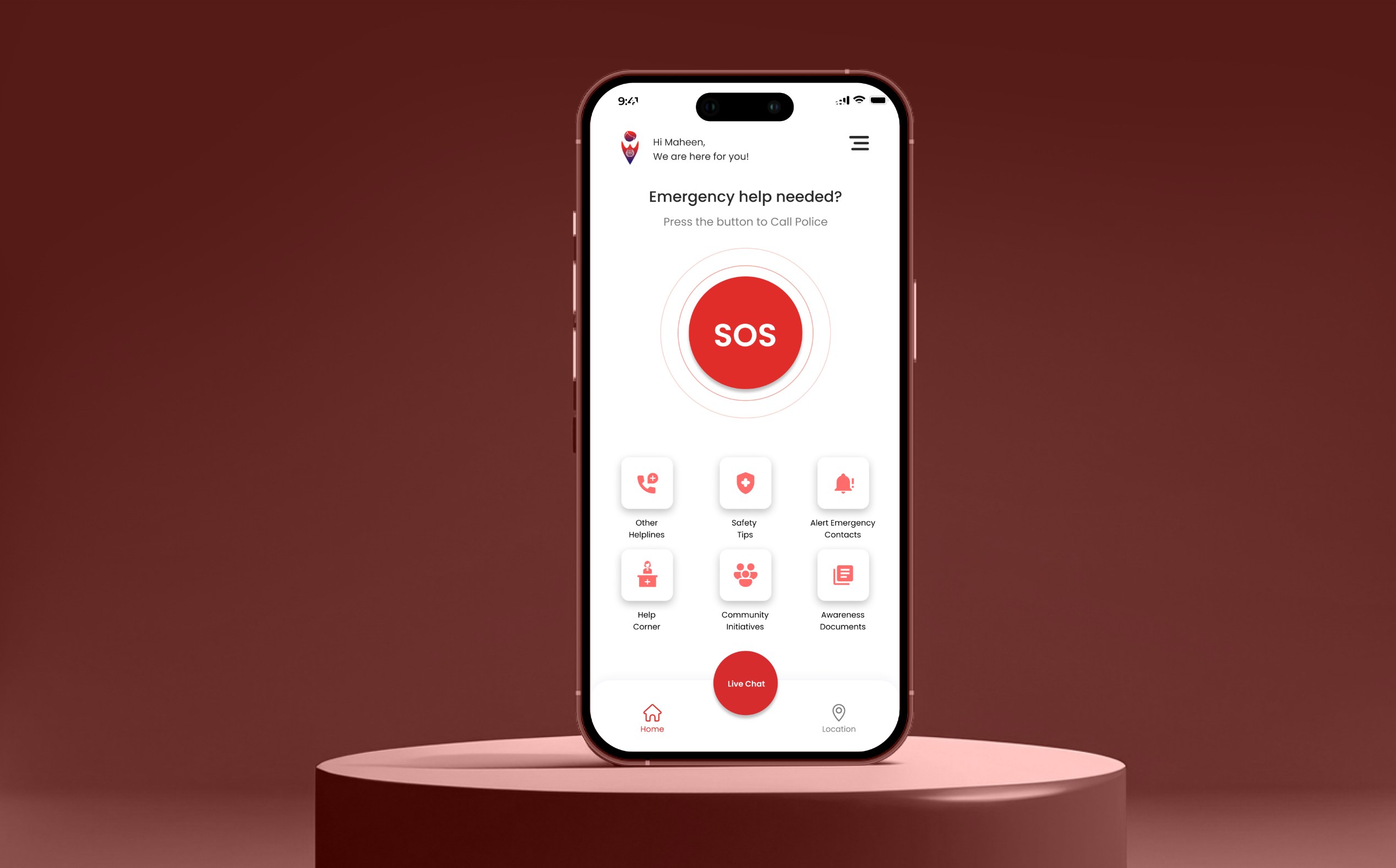
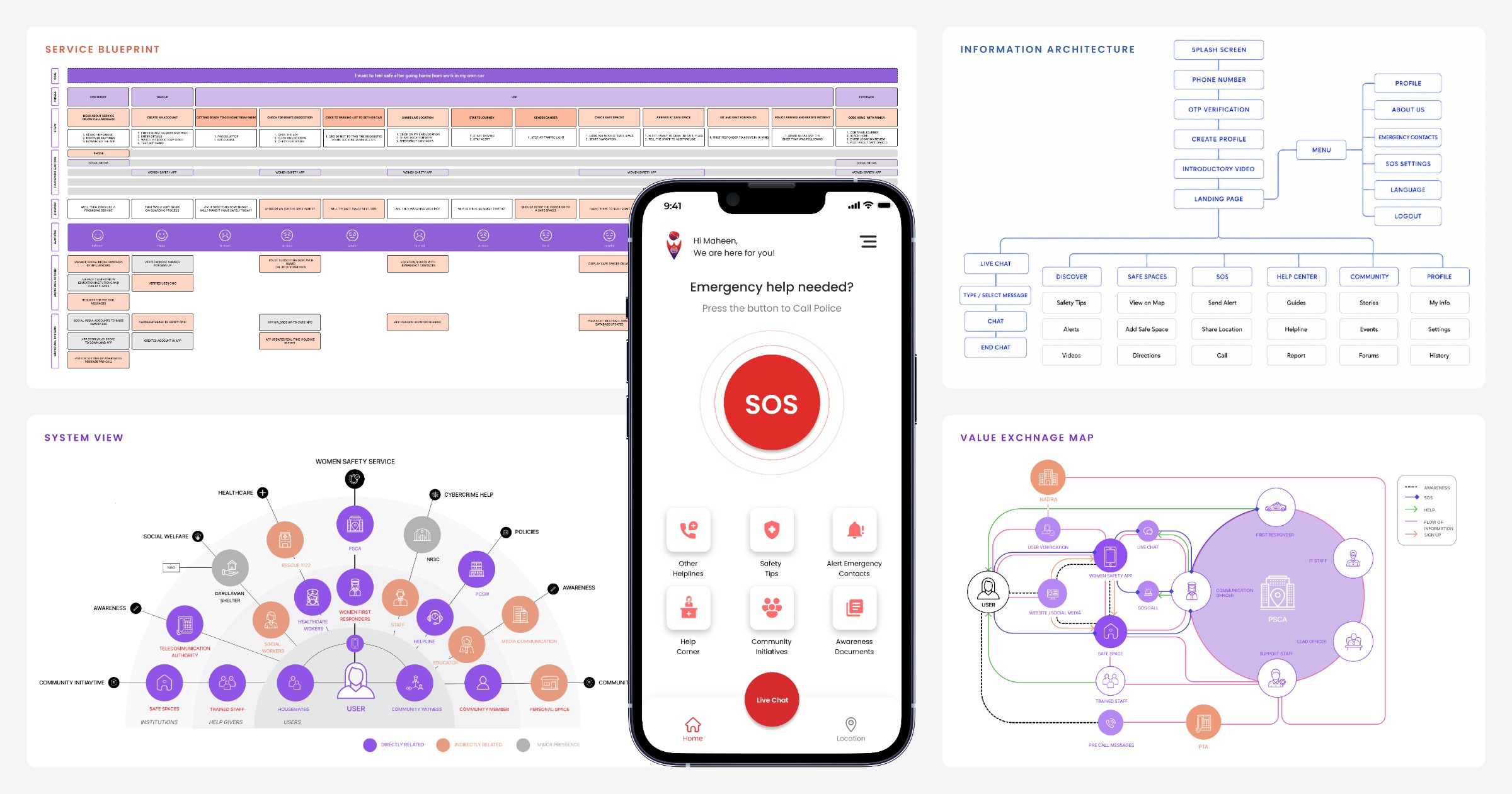
The redesign spans a rebuilt mobile app, a digital awareness strategy, community-led Safe Spaces, and female first responders. The app was reimagined around emergency reality: SOS countdown, predictive live chat, safer route suggestions, demo mode, and live location sharing.
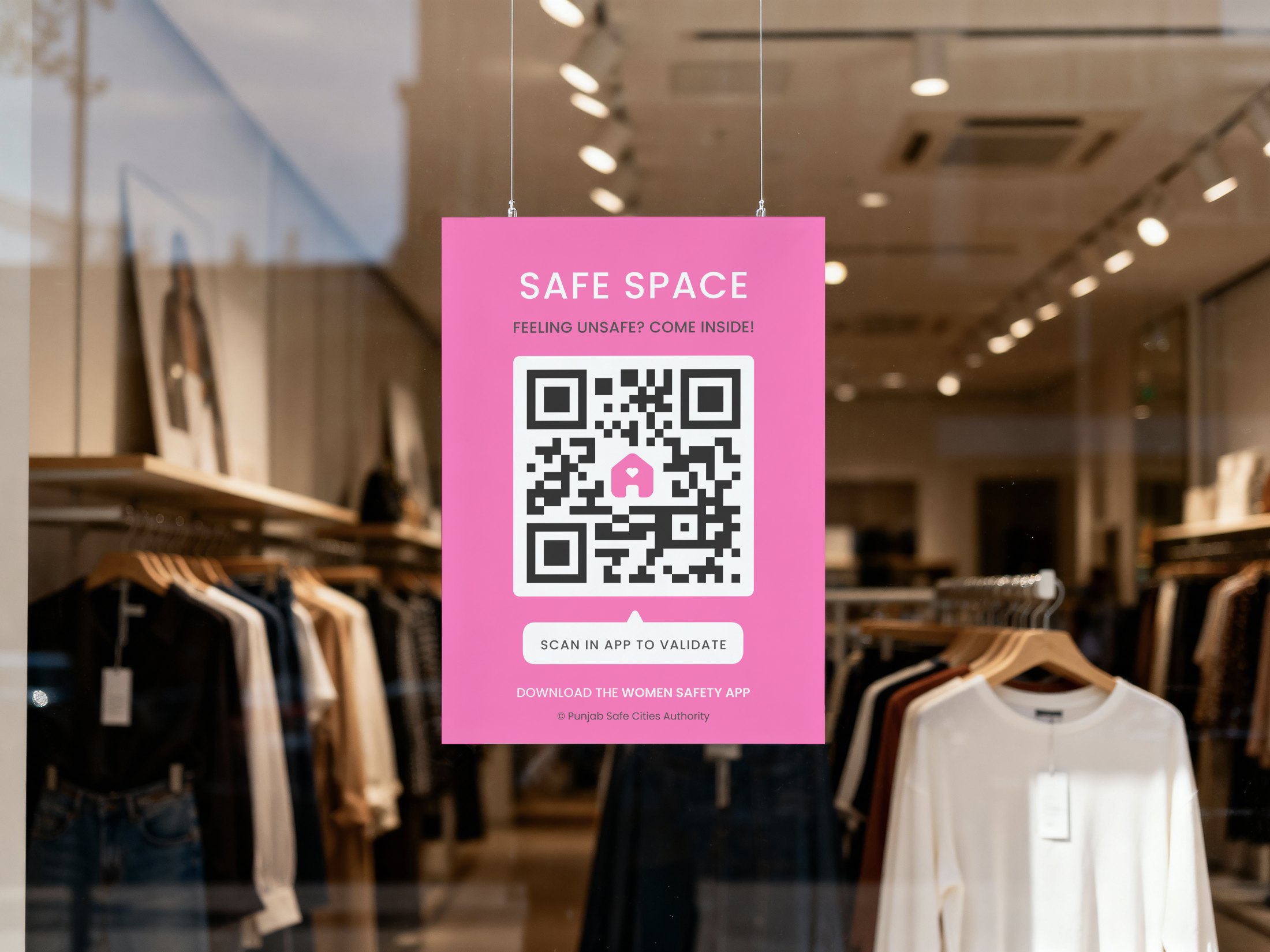
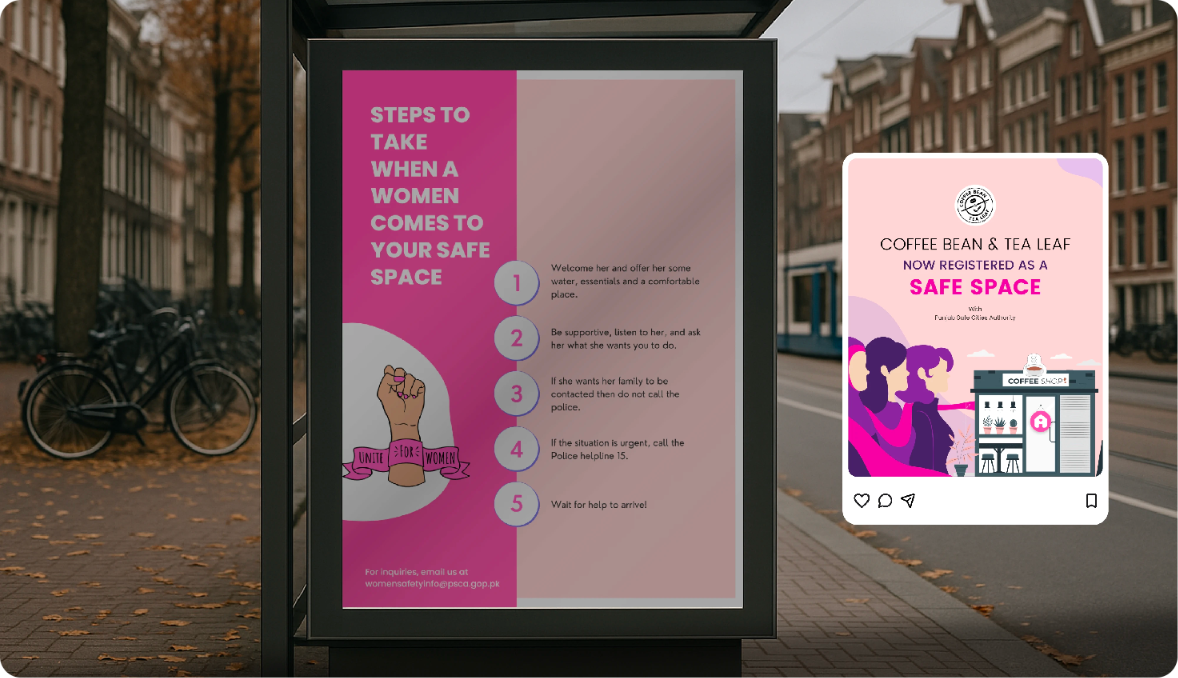
Safe Spaces let local businesses act as temporary refuges, while influencer campaigns and pre-call messages carry the service into everyday visibility rather than waiting to be searched for.
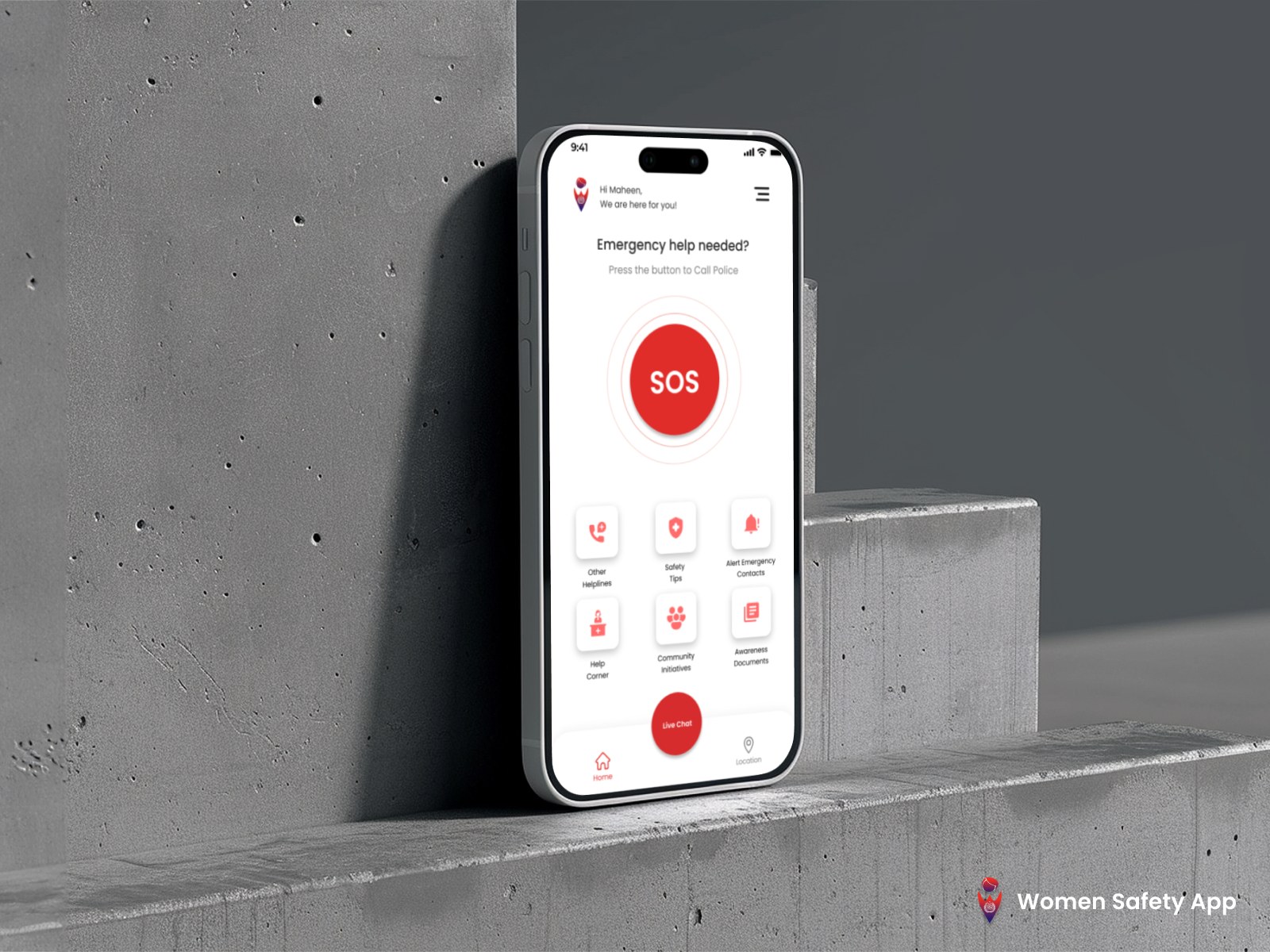
One unmistakable action, and everything else one tap away.
The 2020 app buried the alert among competing options and shared a location only while a call was live. The redesign puts SOS at the centre, adds a countdown for accidental presses, and keeps chat, location and safe spaces permanently within reach.
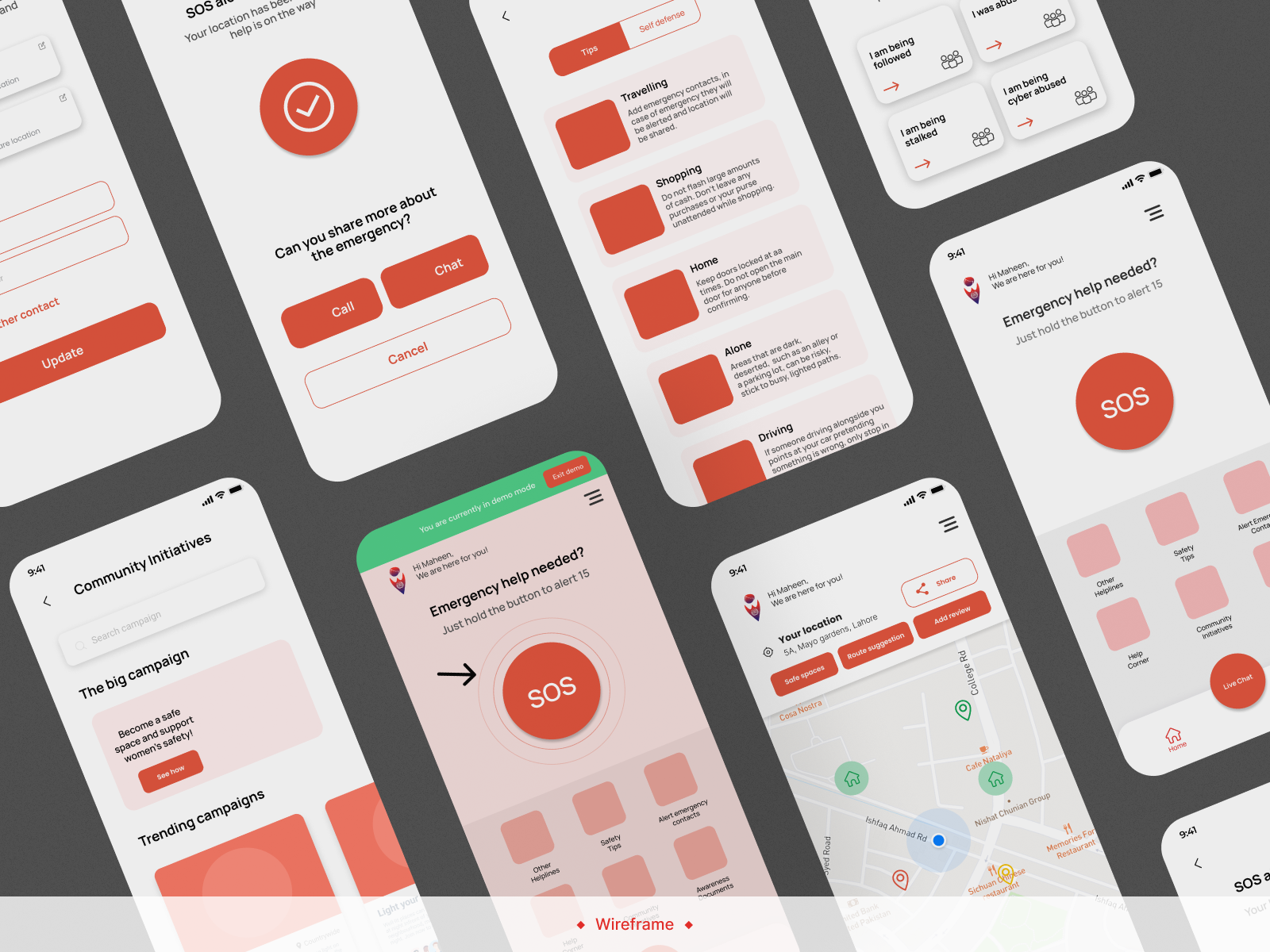
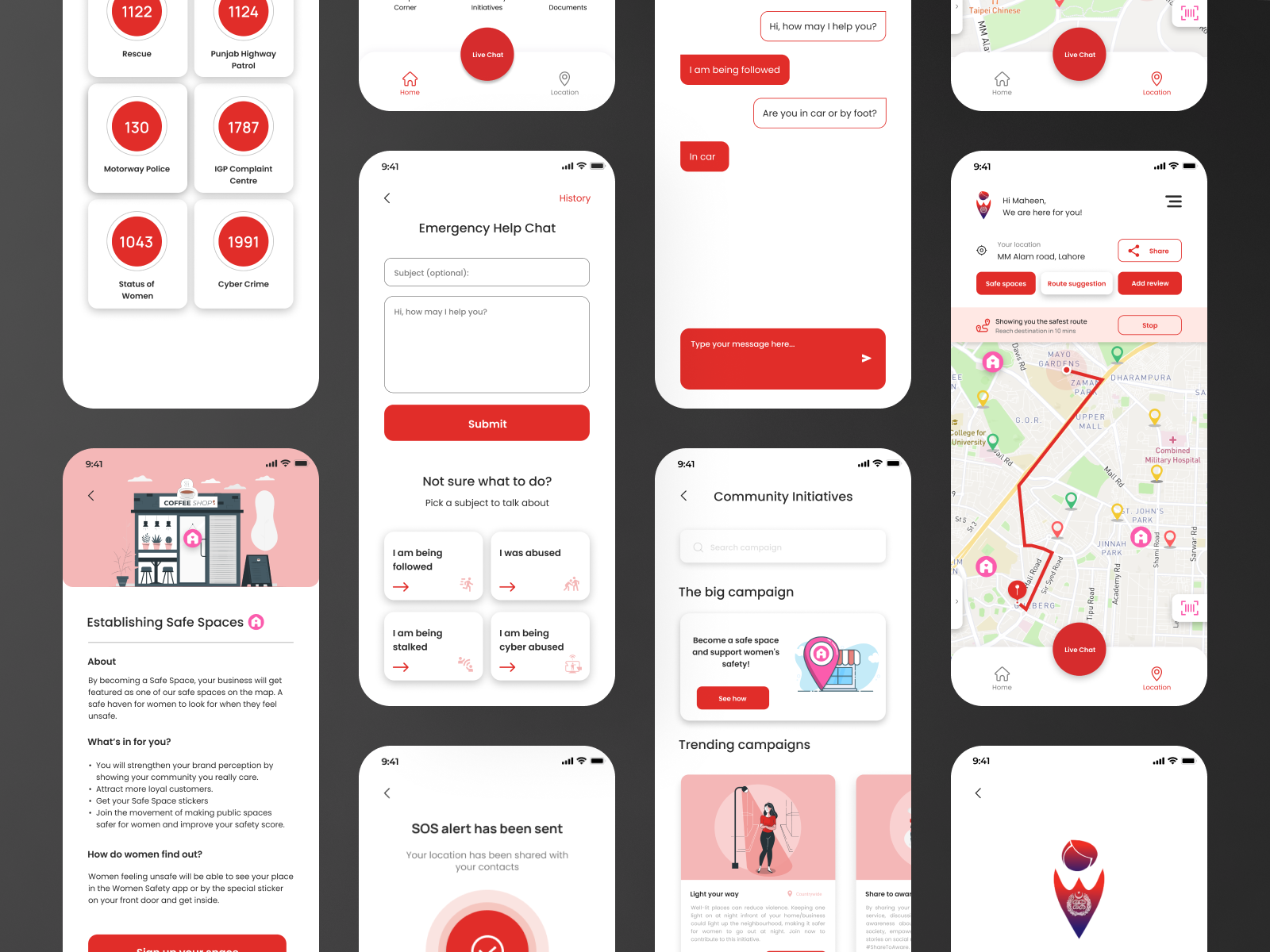
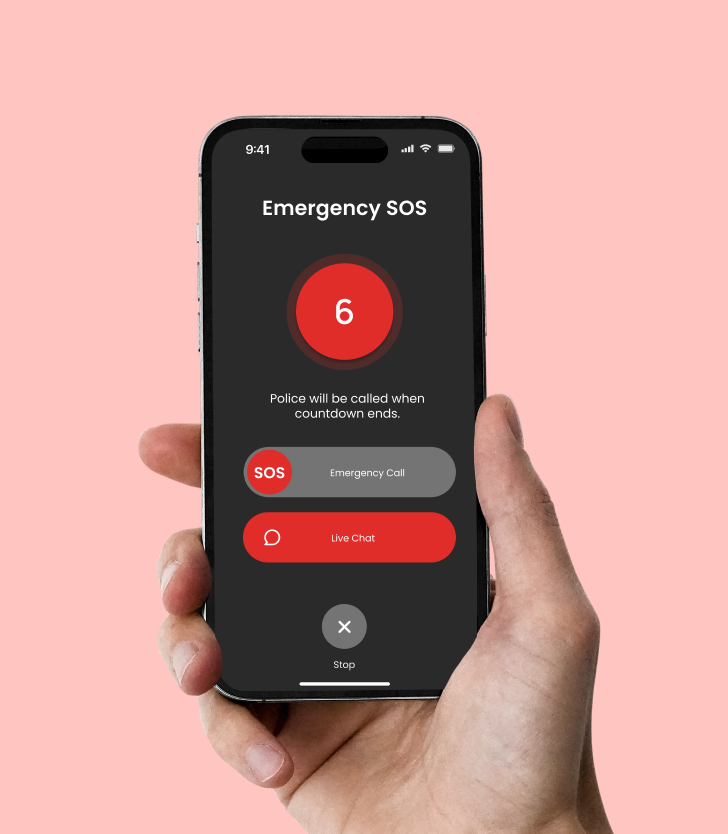
Every change answers something the research found.
Drag across the comparison below to see the 2020 app against the redesigned concept.
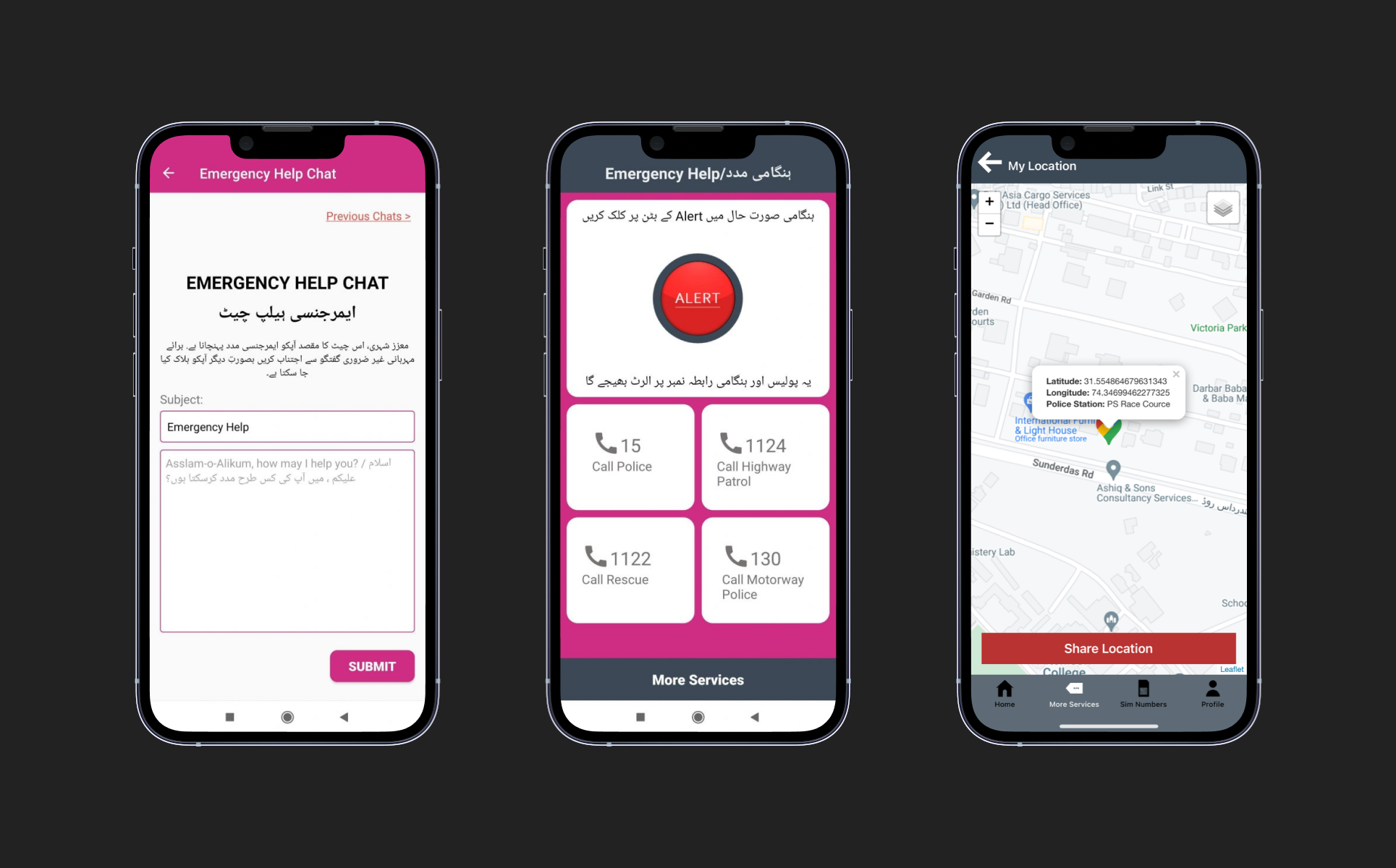
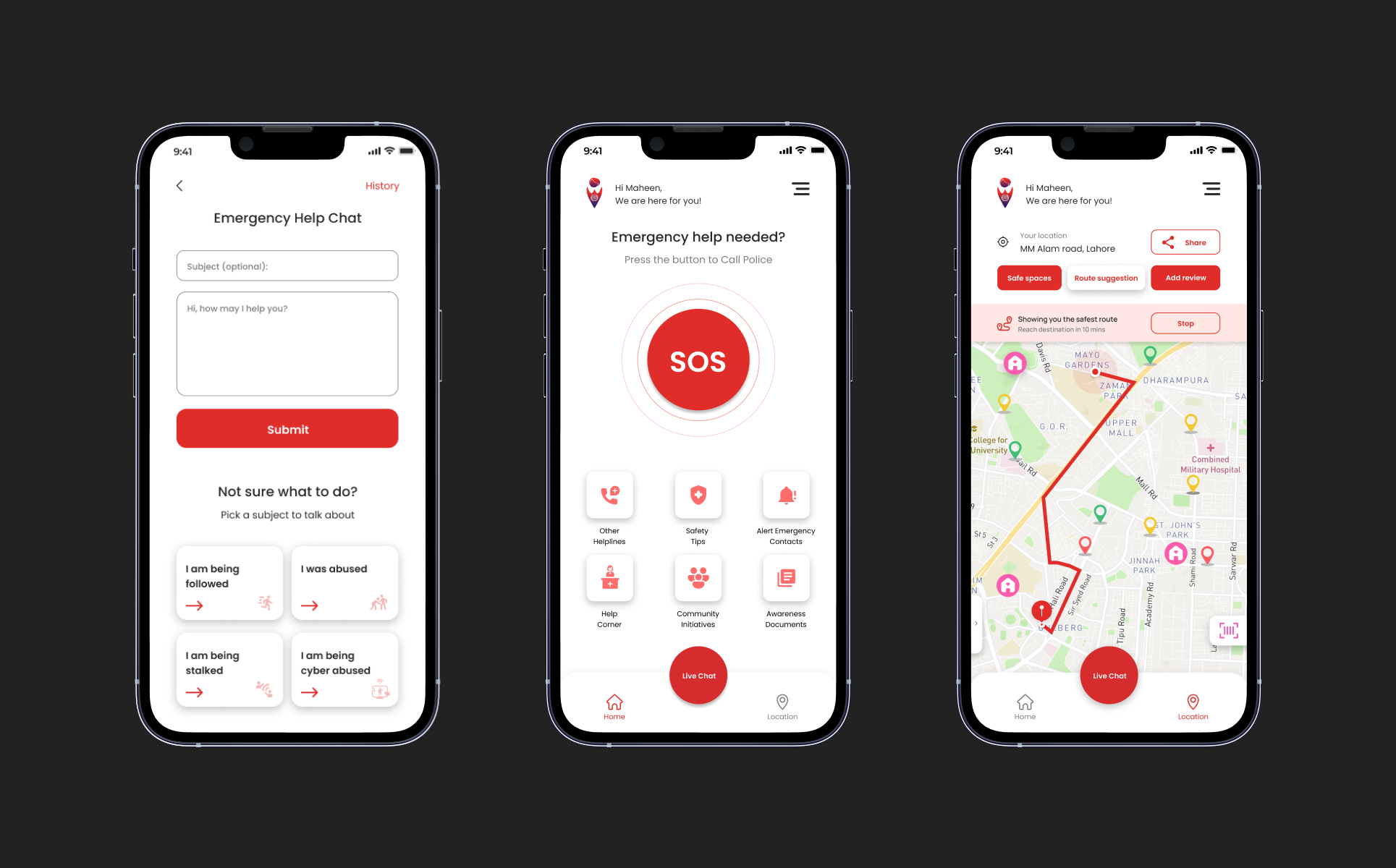
Interface work alone could not fix reliability.
So the proposal reaches into the organisation: women First Responders trained through a two-month gender-responsive policing programme, PTA-carried pre-call awareness messages on every connected call, and NADRA verification behind sign-up. A revised service blueprint and value exchange map traced the new flow of trust between women, businesses and the authority.
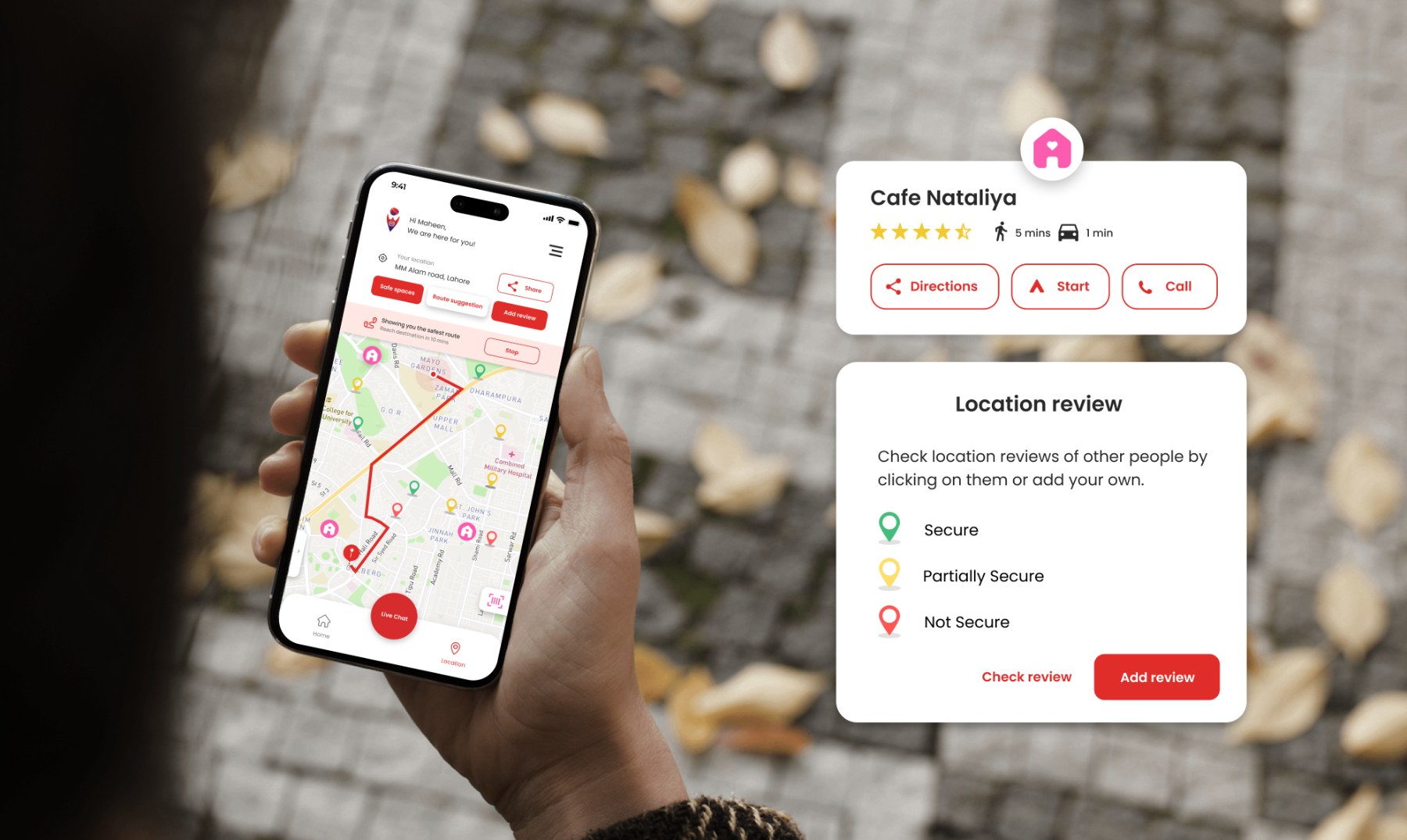
Feeling unsafe? Come inside.
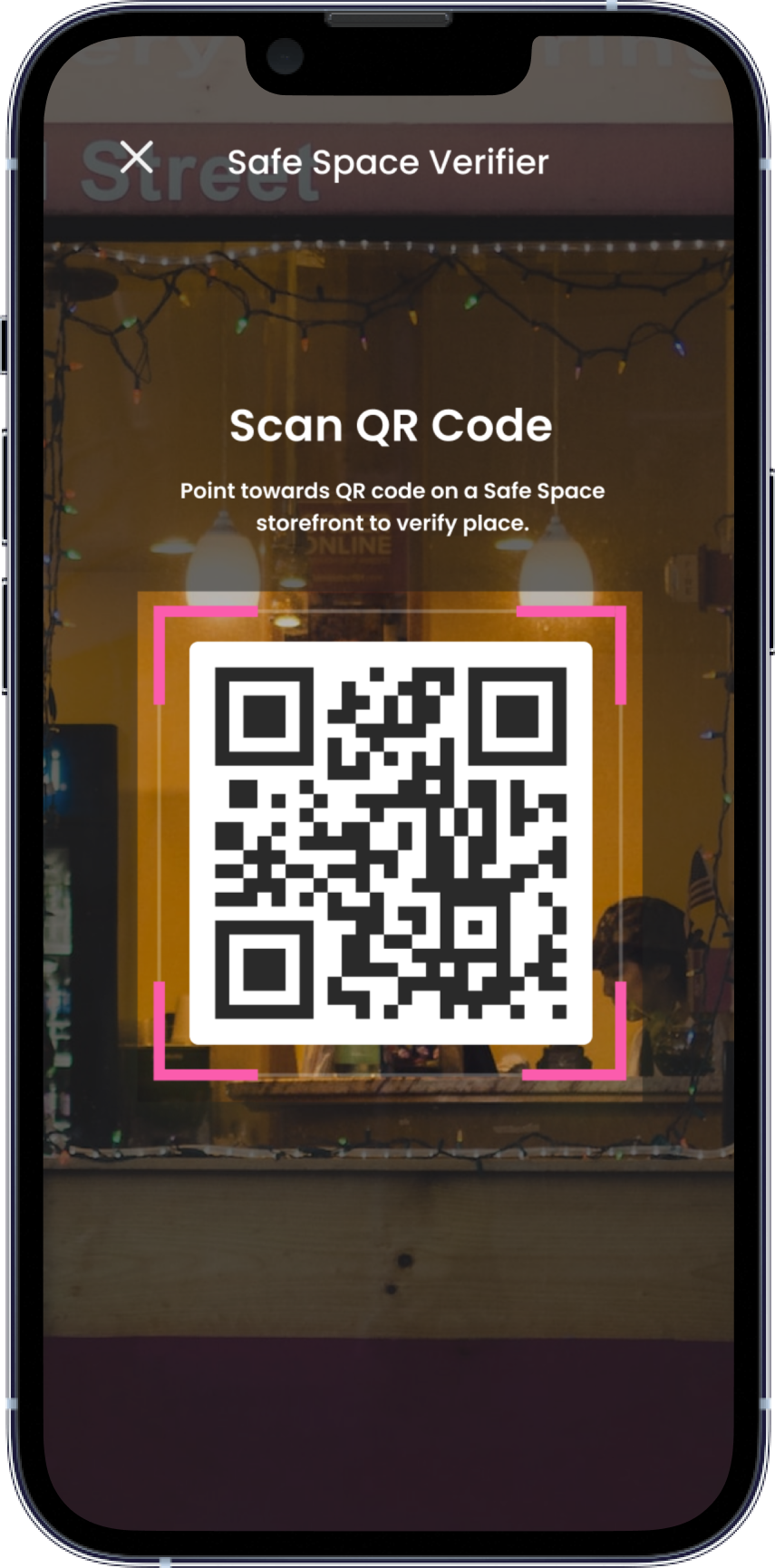
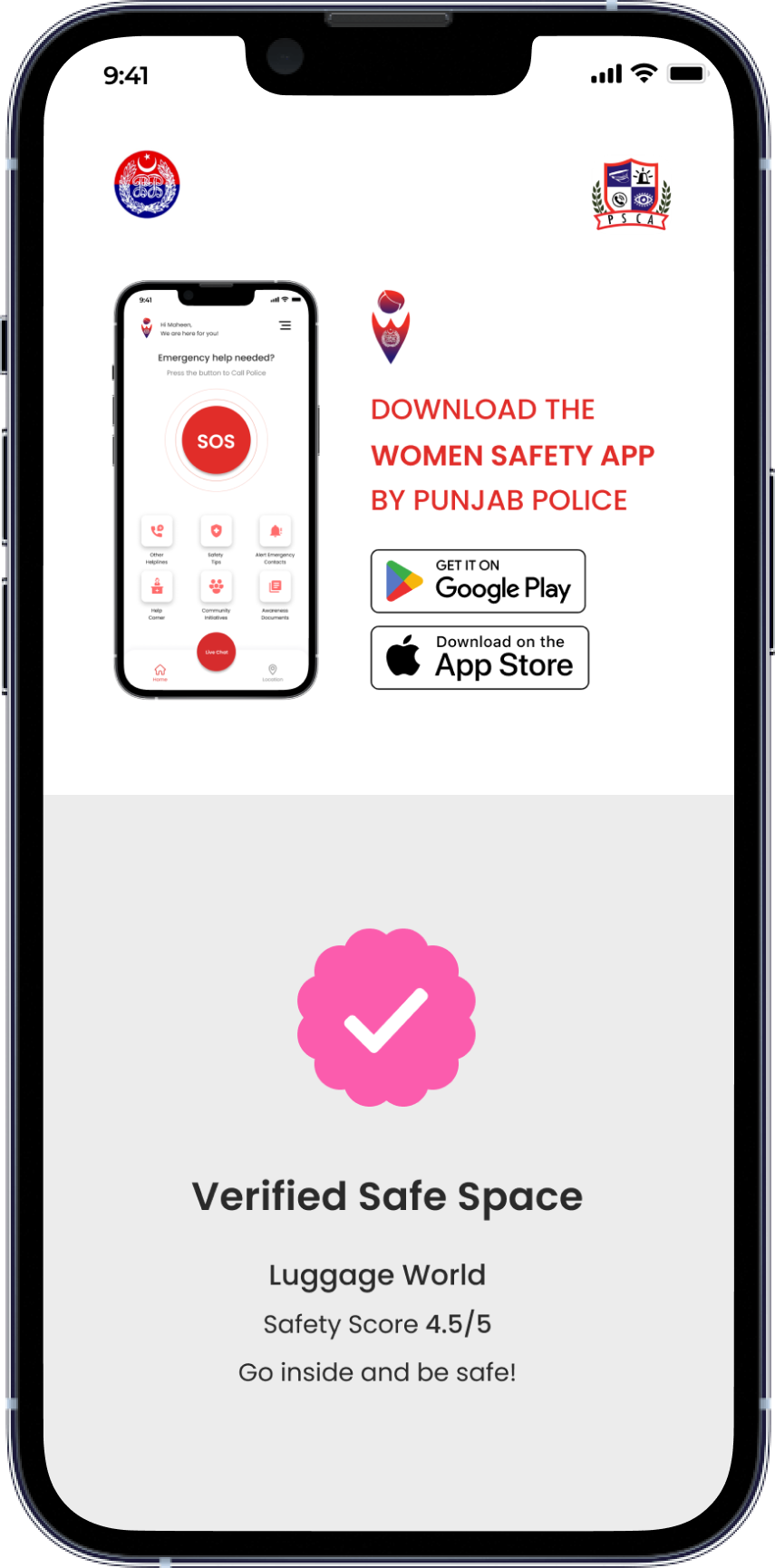
A woman passes a shop carrying the Safe Space poster, points her phone at the QR code, and the app confirms the place is registered, with a safety score from the women who have been there before her.
A service 70% of women had never heard of.
That cannot be fixed by improving its screens, so awareness became a design surface of its own.
A service women can see, trust and reach before the emergency.
One under-used app becomes a network of touchpoints, digital, physical and organisational, reachable before, during and after a moment of risk. What follows are the outcomes the proposal is designed to produce, not metrics from a live deployment.
Have something worth building well?
Tell us what you are building. We reply within two working days.
Start a project →